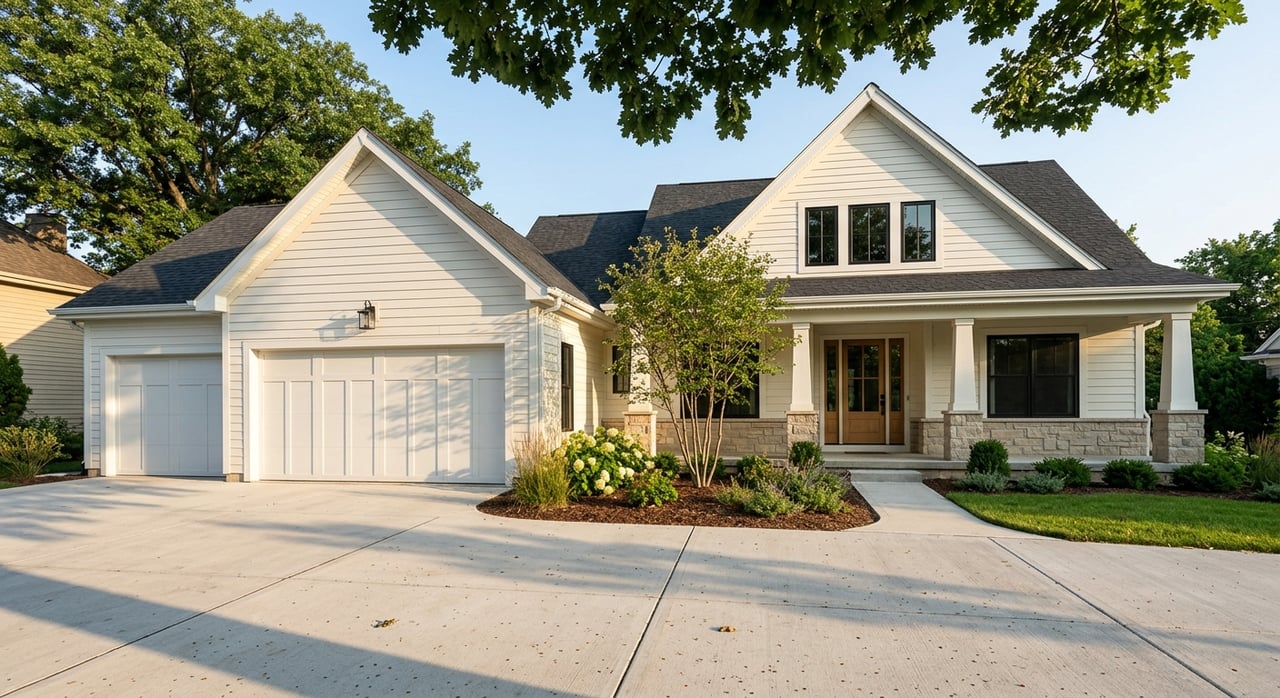
If you want more space at home without feeling cut off from Sioux Falls, Tea deserves a closer look. Many buyers are trying to balance a manageable work commute with day-to-day convenience, and that can feel tricky when you are comparing fast-growing communities. The good news is that Tea has a strong commuter connection to Sioux Falls, plus clear signs of continued growth. Here’s what to know before you make the move.
Why Tea fits Sioux Falls commuters
Tea is widely positioned as a small-town community that sits just minutes from Sioux Falls. That description lines up with local commuting patterns. According to the City of Tea’s planning data, 86.3% of Tea workers are employed in the Sioux Falls metro area, and 67.3% work in the City of Sioux Falls itself.
That matters because it shows Tea is not an isolated outpost for people who do not mind a long drive. Instead, it functions as a practical commuter community for many households who want to live outside Sioux Falls while still staying closely connected to jobs, services, and routines in the metro. You can review that broader growth and commuting context in the Tea Comprehensive Plan Executive Summary.
What the Tea commute is really like
For most people, the Tea-to-Sioux Falls commute is reasonable enough to support a normal weekday routine. A Census Reporter profile for the Tea urban area shows a mean travel time to work of 20.3 minutes, and practical drive estimates often land around 15 to 20 minutes in normal conditions.
That said, commute time is not one fixed number. Your route, time of day, work location, weather, and construction can all shift the experience. If your job is in south or southwest Sioux Falls, your drive may feel different than someone heading to a more central or western part of the city.
Key roads between Tea and Sioux Falls
I-29 is the main spine
If you live in Tea and work in Sioux Falls, Interstate 29 is the roadway you will hear about most often. It is the main north-south connection that links Tea to the broader Sioux Falls area and supports a large share of daily commuter traffic.
For many buyers, that simple fact helps frame the home search. If quick highway access matters to you, the location of a home within Tea can shape how easy your weekday mornings feel.
85th Street affects south Sioux Falls access
One of the most important current projects for this commute is the 85th Street and I-29 interchange project in southwestern Sioux Falls. The City of Sioux Falls says the diverging-diamond interchange will connect 85th Street from the east side of I-29 in Sioux Falls to the west side of I-29 in Tea, with completion scheduled for December 31, 2027.
This project is especially relevant if you work, shop, or travel often on the south side of Sioux Falls. The same city project page notes that 85th Street between Tallgrass Avenue and Sundowner Avenue is closed during construction, while I-29 remains open with lane and shoulder closures, plus occasional overnight partial closures.
Gateway Boulevard and 271st matter too
Tea commuters do not all rely on one exact route. Project documents identify Gateway Boulevard / 271st Street, also known as Lincoln County Highway 106, as a key corridor connecting Heritage Parkway to I-29 Exit 73.
The City of Tea’s planning and zoning department notes that transportation planning and long-range growth work are active parts of the city’s development efforts. In practical terms, that means your best route may depend on where you live within Tea and where you need to be in Sioux Falls.
How construction may affect your drive
Right now, the biggest near-term wildcard is the 85th Street and I-29 project. Even if your usual path does not use that area every day, construction can still influence traffic flow, lane availability, and alternate route choices.
If you are thinking about moving to Tea, it is smart to treat commute timing as a range instead of a guarantee. A normal drive may be fairly quick, but peak traffic, weather, school schedules, and road work can all add time. That is especially true through the end of 2027 while the interchange project continues.
Tea is growing fast
Commute convenience is only part of the story. Tea is also changing quickly, which can be a positive for buyers who want a community with ongoing investment and future development potential.
The City of Tea reports a population of 8,051 as of January 1, 2026, along with 900 housing units built since the 2020 census. The city also points to its 2050 comprehensive planning efforts as a tool to help residents and businesses understand how Tea is likely to grow over time.
That growth can matter in a few ways. It may support more housing choices, influence future traffic patterns, and affect how different parts of Tea connect to Sioux Falls over the next several years.
Daily life beyond the drive
When you are deciding where to live, the commute is only one part of the routine. You also need to think about drop-offs, errands, after-work timing, and how your schedule functions during a normal week.
Tea Area School District lists three elementary schools, one middle school, and one high school, and city data show district enrollment of 2,514. If your household has regular school drop-off, pick-up, or activity schedules, those daily patterns can overlap with commuter traffic and shape which part of Tea feels most practical for you. You can explore current district information on the Tea Area School District website.
What buyers should consider before moving
If you are comparing Tea with Sioux Falls or other nearby communities, focus on your real routine instead of just the map. A home that looks close in miles may still feel less convenient if it adds extra turns, construction exposure, or more time to your most common destinations.
Here are a few helpful questions to ask yourself:
- Where in Sioux Falls do you work most often?
- How important is fast I-29 access?
- Do you need easy access to south Sioux Falls in particular?
- How much flexibility do you have if road work changes your usual route?
- Will school schedules or after-work activities shape your timing?
These details can help you narrow not just whether Tea is a fit, but which part of Tea may work best for your household.
Why local guidance helps
A move to Tea is not only about finding a house you like. It is also about understanding how the location will work for your day-to-day life now and as the area continues to grow.
That is where local guidance can make a real difference. When you work with a team that understands Tea, Sioux Falls, commuter corridors, and new development patterns, you can make a more confident decision based on how you actually live. If you are weighing Tea against other Sioux Falls-area options, Merchant Home Group can help you compare neighborhoods, commute tradeoffs, and available homes with a clear step-by-step approach. Put us to work.
FAQs
How far is Tea from Sioux Falls for daily commuting?
- Tea is described by the city as being just minutes from Sioux Falls, and the Tea urban area has a mean travel time to work of about 20.3 minutes, with many drives estimated around 15 to 20 minutes in normal conditions.
What is the main route from Tea to Sioux Falls?
- I-29 is the main commuting spine, with 85th Street and Gateway Boulevard / 271st Street serving as important connectors depending on your destination.
What should Tea buyers know about construction near Sioux Falls?
- The 85th Street and I-29 interchange project is a major factor through the end of 2027, with street closures in some areas and lane or shoulder closures on I-29 at times.
Is Tea, South Dakota still growing?
- Yes. City data show a population of 8,051 as of January 1, 2026, plus 900 housing units built since the 2020 census and ongoing long-range planning for future growth.
Does Tea work well for people employed in Sioux Falls?
- Yes. City planning data show 86.3% of Tea workers are employed in the Sioux Falls metro area, and 67.3% work in the City of Sioux Falls itself.
What should homebuyers consider when choosing a home in Tea?
- Focus on your actual routine, including job location, highway access, construction exposure, and any school or activity schedules that may overlap with your commute.