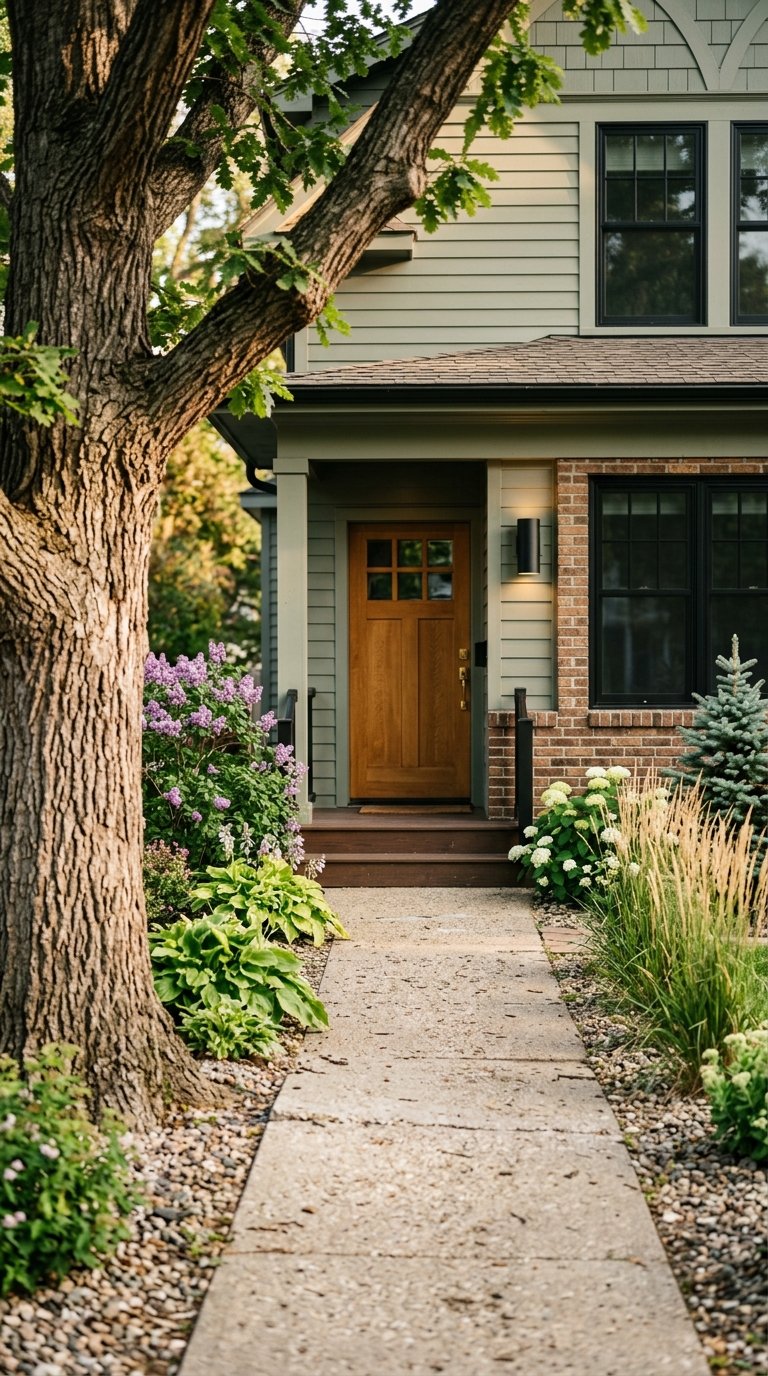
Wondering whether an older Sioux Falls neighborhood or a newer development is the better fit for your next move? You are not alone. Many buyers are weighing charm, lot size, and park access against newer layouts, updated systems, and growing edge-of-town options. This guide will help you compare both paths so you can decide what fits your budget, lifestyle, and long-term plans. Let’s dive in.
Why This Choice Matters in Sioux Falls
Sioux Falls is growing quickly, and that growth is shaping two very different homebuying experiences. In 2025, the city estimated its population at 224,676, added 5,088 residents, and issued 5,615 building permits with $1.327 billion in construction valuation. At the same time, the city’s long-range planning also emphasizes preserving existing neighborhoods, encouraging infill and redevelopment, and managing growth with better land-use transitions and infrastructure planning.
That means you are not choosing between a city of only old homes or only new subdivisions. Sioux Falls has a mixed housing stock. According to the city’s housing needs assessment, about 40.4% of owner-occupied homes were built before 1980, 46.7% were built from 1980 to 2009, and 12.9% were built in 2010 or later.
What Established Neighborhoods Offer
Established neighborhoods in Sioux Falls often stand out for their identity, layout, and long-term character. These areas tend to reflect earlier phases of the city’s growth, so you may notice more variation in architecture, more mature trees, and streetscapes that feel less uniform from block to block.
The city officially recognizes six historic districts, including All Saints, Cathedral, McKennan, Downtown, Hayes, Old Courthouse and Warehouse, and Sherman. If you are drawn to homes with stronger architectural personality or older neighborhood patterns, these areas often shape that conversation.
Park-Centered Established Areas
Some of Sioux Falls’ most established neighborhoods are closely tied to parks and public spaces. McKennan Park is connected to one of the city’s oldest parks, established in 1906, and city historic materials describe the area as having historic trees, formal gardens, a residential boulevard, and early curvilinear street design.
Tuthill Park is another example buyers often notice. The city describes it as a neighborhood of mid-century homes with curved roads, expansive yards, and architectural character, centered around an 80-acre park donated in 1953. Terrace Park follows a similar older-neighborhood pattern, with National Register recognition, quartzite features that are mostly more than 90 years old, Covell Lake, the Japanese Gardens, and a bandshell used for summer programming.
Character and Variety
If you want a home that feels distinct from the one next door, established areas may appeal to you. Older homes are more likely to show differences in design, lot shape, and streetscape. In practical terms, that can create a stronger sense of place than you may find in a brand-new subdivision where many homes were built in the same short period.
All Saints is a good example of how these areas also connect different parts of the city. The city describes it as a National Register Historic District and a transition area between downtown and the McKennan Park neighborhood. For buyers, that kind of setting can offer a different feel than edge-of-town growth corridors.
Renovation Potential in Older Areas
Established neighborhoods are not just about vintage charm. They can also offer opportunities for updates, repairs, and value-add improvements over time. Sioux Falls supports this idea through programs like its Neighborhood Revitalization Program, which helps repair houses in core areas that are empty, ruined, or unsafe, and the Façade Easement Program, which is aimed at preserving the face of significant buildings on some of the city’s oldest properties.
That does not mean every older home needs major work. It does mean you should be prepared for the possibility that some homes in established neighborhoods may need updating, especially if finishes or systems have not been modernized recently.
What Newer Neighborhoods Offer
Newer neighborhoods in Sioux Falls often appeal to buyers who want a more predictable home condition and a layout designed around current preferences. These areas are typically tied to recent infrastructure expansion, newer utility service, and ongoing growth at the city’s edges.
On the growth side, Sioux Falls is actively expanding utility and street capacity. Basin 15 is being expanded to support west-side growth and is expected to serve up to 28,000 acres over the next 100 years. The Southeast Sanitary Sewer Extension is designed to serve southeast Sioux Falls through 2030, and the city’s 2026 to 2030 Capital Program also prioritizes new sewer basins, expanded water connections, and major street work such as South Veterans Parkway.
Common Features in New Construction
Recent permit records give a useful snapshot of what many newer Sioux Falls homes include. New single-family permits commonly list features like finished or unfinished lower levels, covered rear decks, covered front stoops, and three-stall garages. Some even show larger garage counts.
New townhome permits often show slab-on-grade construction with two-stall garages and rear patios. In 2025, the city recorded 357 new single-family homes, 403 townhouse units, and 1,168 multifamily units, which shows that newer inventory is not limited to detached houses.
A More Predictable Maintenance Picture
Many buyers look at newer homes because they want fewer near-term repairs or replacements. While every property is different, newer construction often means less immediate concern about older finishes or aging systems. That can be especially appealing if you are relocating, buying your first home, or trying to keep your move as simple as possible.
Newer areas may also offer more standardized lot layouts and exterior features. If you like consistency and want a home that feels move-in ready from day one, newer development can be a strong fit.
The Biggest Trade-Offs to Think About
In Sioux Falls, the biggest choice often comes down to character versus predictability. Established neighborhoods are more likely to offer mature trees, park-centered identity, and renovation upside. Newer edge neighborhoods are more likely to offer newer infrastructure, larger garages, and fewer immediate system replacements.
Neither option is automatically better. The better fit depends on what matters most to you in daily life and what kind of upkeep, updates, or trade-offs you are comfortable taking on.
Trees, Yards, and Exterior Upkeep
Mature landscaping is one of the biggest visual differences between older and newer parts of Sioux Falls. Established neighborhoods often have larger trees and, in some areas, more expansive yards. Tuthill Park, for example, is specifically described by the city as having expansive yards.
That charm can come with added responsibility. Sioux Falls states that street trees are part of what makes neighborhoods beautiful, and property owners are responsible for maintaining them. In newer neighborhoods, the tree canopy may feel less established at first, though the city is working to build it out through programs like CommuniTree, which is planting 5,000 new trees in low-canopy areas at no cost to eligible homeowners.
Layout and Feel
Older neighborhoods may offer curved roads, varied lot sizes, and streets that developed over time. Newer areas may feel more planned from the start, with homes and infrastructure built in coordinated phases. If you care about whether a neighborhood feels immediately rooted or freshly built, this difference matters.
Some buyers walk into an established area and instantly connect with the setting. Others prefer the cleaner slate of a newer home and neighborhood, even if the landscaping and surroundings will take time to mature.
Questions to Ask Before You Decide
If you are comparing established versus newer neighborhoods in Sioux Falls, ask yourself these practical questions:
- Do you want immediate neighborhood character, or do you prefer a newer home with fewer near-term repairs?
- How much exterior and landscape maintenance are you comfortable taking on?
- Would you rather have mature trees and older lot patterns, or a newer layout and infrastructure?
- Are you open to renovation potential, or do you want a home that feels closer to turnkey?
- Do you prefer older park-centered areas like McKennan Park, Tuthill Park, or Terrace Park, or newer growth areas tied to recent utility and street expansion?
Your answers will usually point you in the right direction faster than a simple old-versus-new comparison.
How to Shop Smart in Either Option
No matter which direction you lean, it helps to compare homes through the same lens. Focus on condition, location, lot use, monthly upkeep, and how long you expect to stay in the home. In established neighborhoods, pay close attention to the level of updating and the amount of exterior maintenance you are taking on.
In newer neighborhoods, look beyond the model-home appeal and think about how the area may grow over time. Consider the current level of tree canopy, the type of housing being added nearby, and whether the layout and lot size match your long-term plans. Sioux Falls is actively investing in both preservation and growth, so each option can make sense when it lines up with your goals.
If you want help sorting through those trade-offs, working with a team that knows Sioux Falls block by block can save you time and reduce second-guessing. Merchant Home Group uses a clear, step-by-step approach to help you compare neighborhoods, evaluate older versus newer homes, and move forward with confidence. Put us to work.
FAQs
What are some of the most established neighborhoods in Sioux Falls?
- Established Sioux Falls neighborhoods often include areas tied to historic districts and older park-centered development, such as All Saints, McKennan Park, Tuthill Park, and Terrace Park.
What makes established Sioux Falls neighborhoods different from newer ones?
- Established Sioux Falls neighborhoods often offer mature trees, more architectural variety, park-centered identity, and possible renovation upside, while newer neighborhoods often offer newer infrastructure, updated layouts, and fewer immediate repair concerns.
Where is newer home growth happening in Sioux Falls?
- Newer Sioux Falls growth is closely tied to edge development supported by expanding utilities and streets, including west-side and southeast growth areas connected to projects like Basin 15, the Southeast Sanitary Sewer Extension, and South Veterans Parkway.
Are older Sioux Falls homes more likely to need updates?
- Some older Sioux Falls homes may be more likely to need cosmetic updates or system improvements if they have not been modernized, which is why buyers should look carefully at condition rather than age alone.
Do newer Sioux Falls neighborhoods have fewer trees?
- Newer Sioux Falls neighborhoods may start with less mature tree canopy, though the city is actively adding trees through programs like CommuniTree in eligible low-canopy areas.
Is a newer or older Sioux Falls neighborhood better for first-time buyers?
- The better choice depends on your comfort with maintenance, your budget, and whether you value character and renovation potential more than a newer layout and more predictable condition.